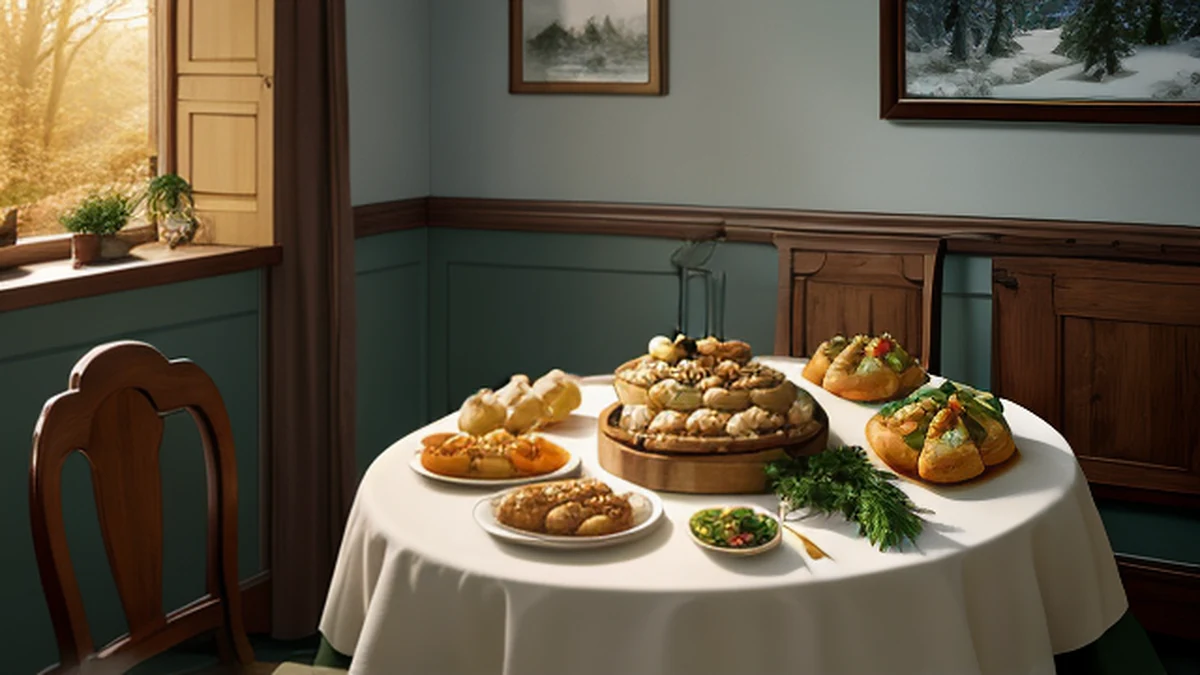
Ask someone in Brazil what German food is, and the answer will almost always be the same: sausage (Wurst) and sauerkraut (Sauerkraut). That’s not wrong, but it’s just a tiny fraction of a cuisine that’s much more regional and varied than the stereotype suggests.
There are more than 1,500 types of Wurst
“German sausage” isn’t just one thing—there are hundreds of regional variations, each with its own name, texture, and seasoning: Bratwurst (grilled), Currywurst (sliced and topped with curry sauce, a Berlin icon), Weißwurst (white, a Bavarian specialty, traditionally eaten only in the morning).
Dishes that rarely live up to the international stereotype
- Schnitzel: a breaded and fried cutlet, usually made from pork or veal—more similar to our “bife à milanesa” than to anything “typically German” one might imagine.
- Spätzle: a handmade pasta, like irregularly shaped noodles, very popular in southern Germany, usually served with melted cheese (Käsespätzle).
- Rouladen: meat rolls stuffed with bacon, onions, and pickles, slow-cooked—a traditional Sunday family meal.
Bread: a serious source of national pride
Germany has over 3,000 registered types of bread—the country takes this so seriously that German bread culture has been recognized as intangible cultural heritage by UNESCO. Dark rye bread (Roggenbrot) is much more common in everyday life than the white bread Brazilians might expect.
Sweets Beyond the Stereotype
Black Forest Cake (Schwarzwälder Kirschtorte), Stollen (Christmas cake with dried fruit), and Lebkuchen (German gingerbread) are just the tip of the iceberg of a baking tradition far richer than the “land of sausages” stereotype suggests.
Food vocabulary with native audio
DeutschBloom has entire categories of food and drink vocabulary, with audio examples.
Explore food vocabularyRelated articles



Stop learning German without understanding Germans
You can know all the grammar and still feel lost in a real conversation. DeutschBloom's podcasts put you inside the culture while training your ear — start now, free to try.