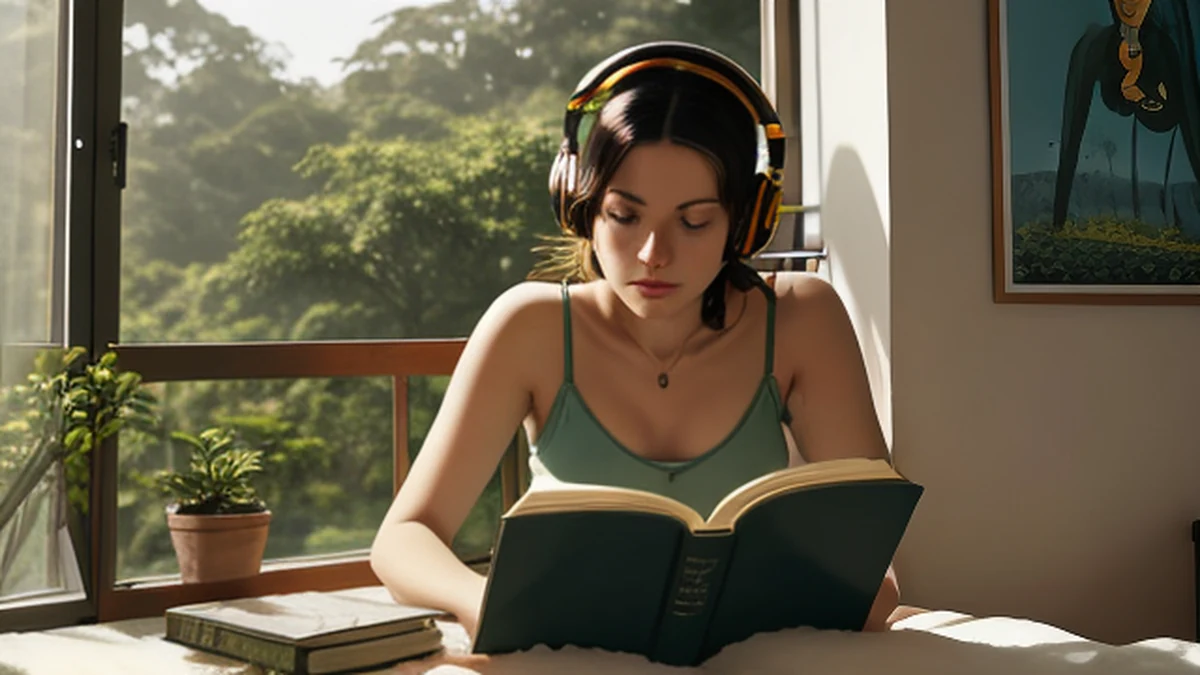
There’s a common belief that only those who live in the country can truly learn the language. It makes intuitive sense—but the “immersion” that works isn’t about geography; it’s about the quantity and quality of exposure, something you can recreate from anywhere with an internet connection.
What real immersion offers (and why it can be recreated)
- Constant exposure to the spoken language—which can be recreated with podcasts, music, and TV shows in German every day.
- A real need to communicate—which can be recreated through online conversation exchanges or study groups.
- Cultural context—which can be recreated by studying culture alongside the language, not just grammar in isolation.
What physical immersion offers that is harder to replicate
Yes, there is something real: the social pressure of having to get by (buying bread, solving a problem at the bank) accelerates the learning of practical vocabulary quickly. But this can be offset with consistent practice and simulations of real conversations—the brain doesn’t distinguish as clearly between “real need” and “deliberate and consistent practice” as one might think.
The “at-home immersion” formula that works
- Listen to German every day, even if just a little—podcasts, music, short dialogs.
- Speak out loud, even when you’re alone—repeat phrases; don’t just read silently.
- Engage with culture alongside the language—movies, history, trivia.
- Set goals for real conversation, even if it’s just with study partners or through online exchanges.
A complete learning environment, from anywhere
DeutschBloom combines dialogues, music with translated lyrics, and bilingual podcasts—all with native audio—to recreate immersion without leaving home.
Learn about DeutschBloomRelated articles


Every day without knowing your level is a day studying in the dark
Stop guessing and everything changes: DeutschBloom's quick test shows in 2 minutes exactly where to focus — no fluff, free to start.